New Fenway Condos Viable Option to Renting

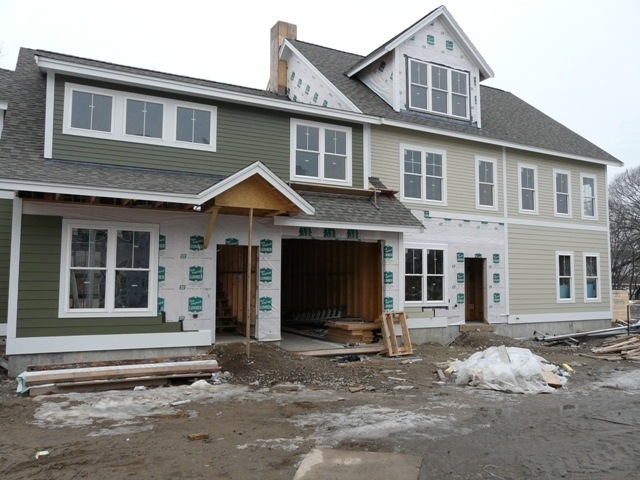
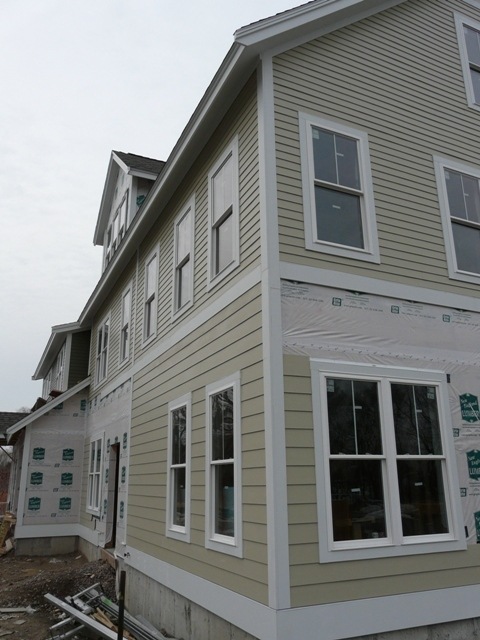
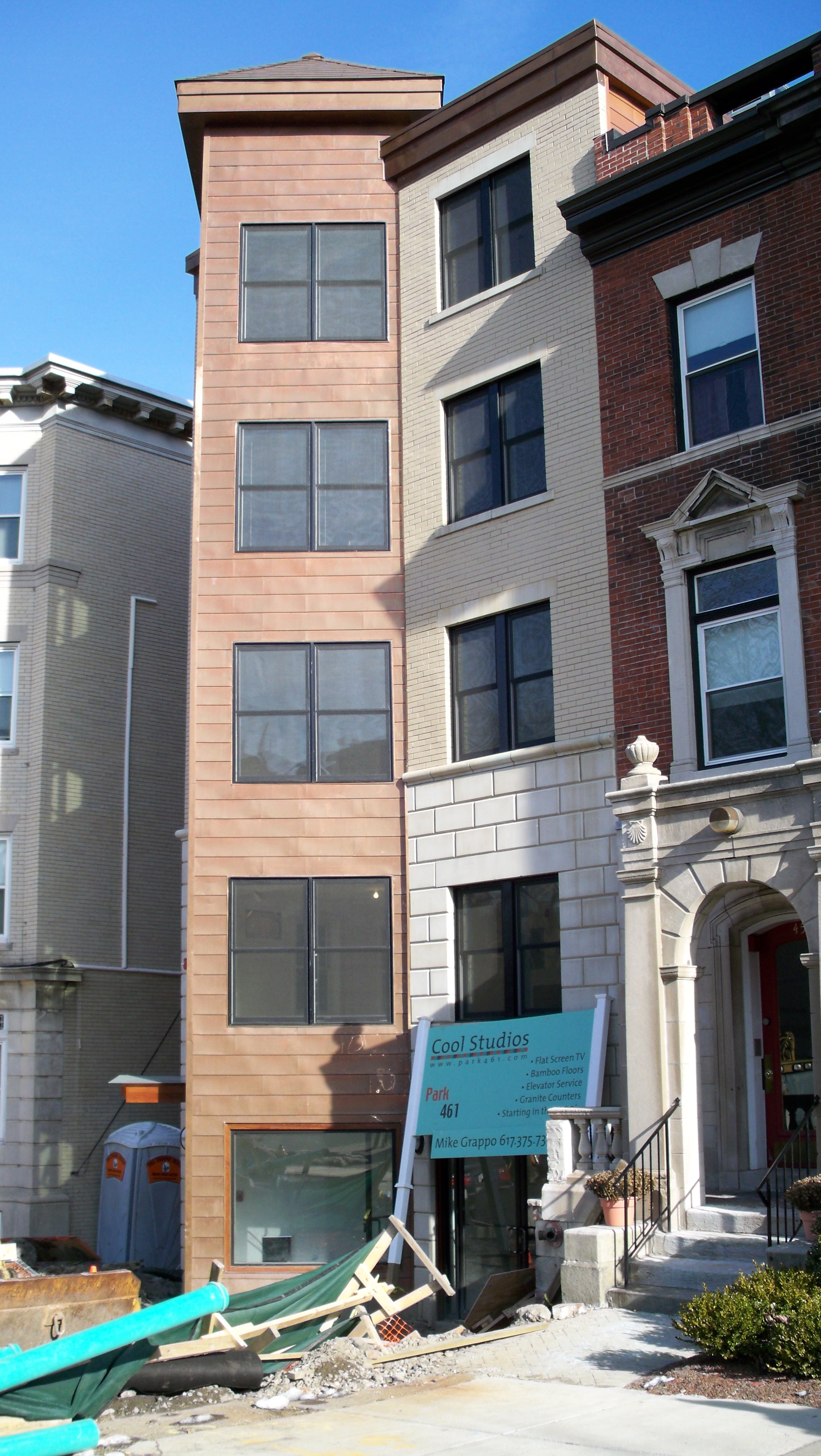
Audubon Circle is an extension of the Back Bay Residential District and is home to several architecturally significant buildings. This heritage is complemented by Park 461, a new five-story steel and concrete elevator building located steps from Fenway Park, and close to MBTA Green Line public transportation. Park 461 is located near the intersection of Park Drive and Beacon Street in Boston’s Fenway neighborhood.
100_0048

There are currently five units at Park 461 advertised in the Boston MLS, ranging in price from $299,000 to $339,000. These 463 square foot units (brand new construction) are great for access to the various schools in the area (Longwood / Harvard Medical Center, Boston University, and Simmons), and provide a viable option to renting.

More information on the 5 available condos: Park 461 Listings (2.77 MB PDF)

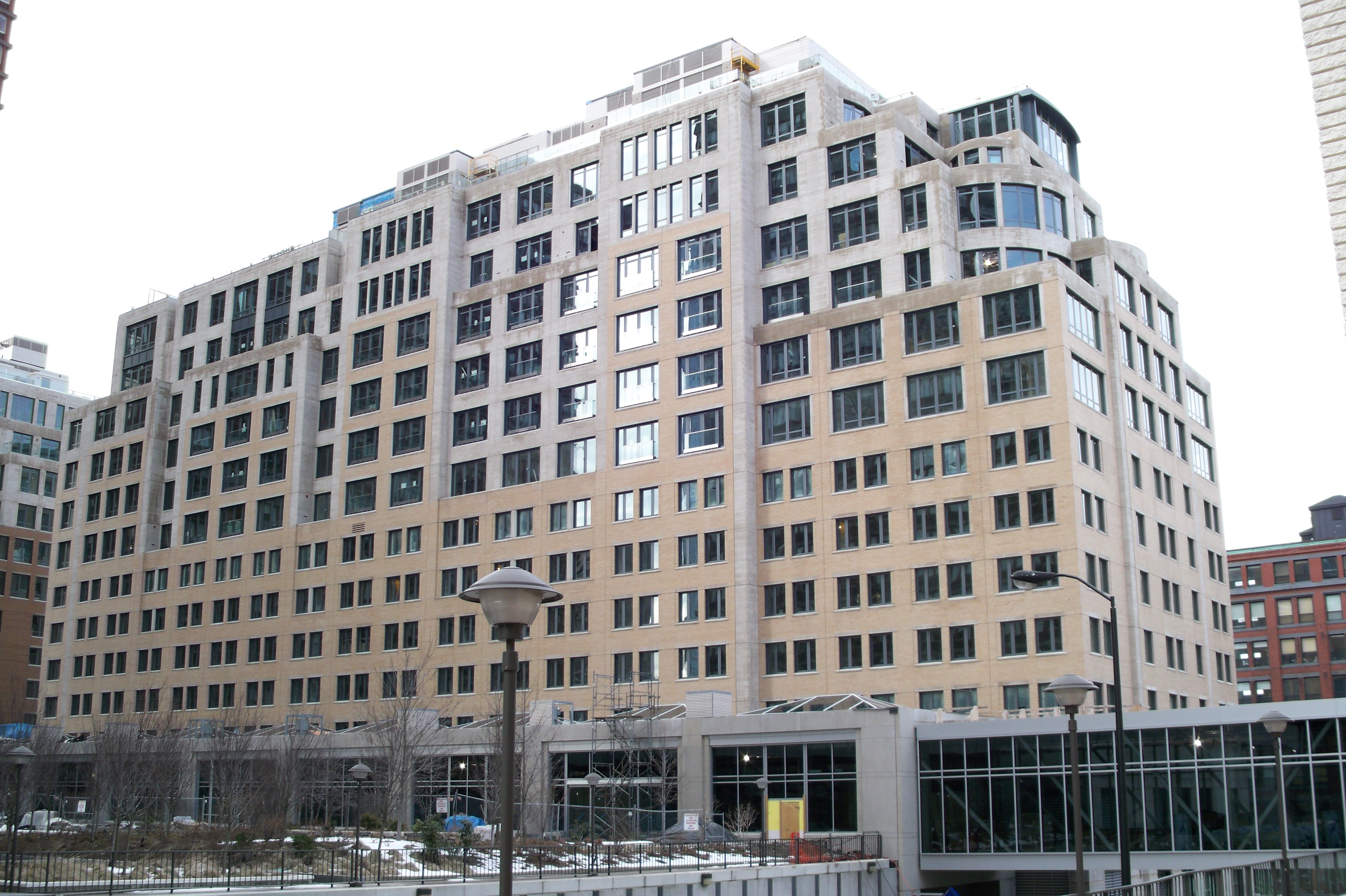
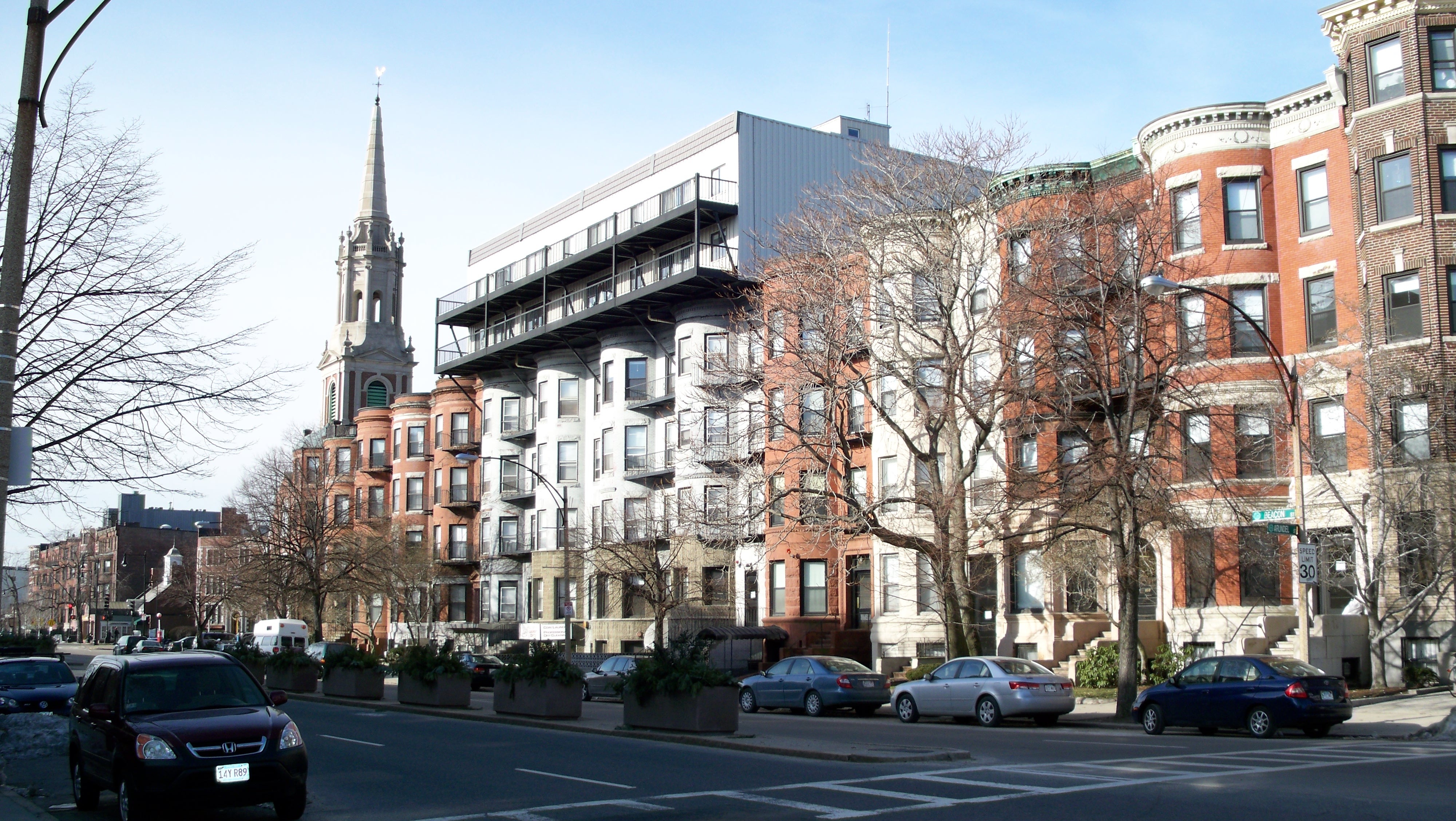
Despite the Fenway being home to some architecturally superb buildings, occasionally, one slips through the cracks, as demonstrated by the below picture of a Fenway Beacon Street top floor addition that seems out of place, to say the least.
100_0052

Dorchester Olmsted Green Development Update

We’ve set a table in the geographic heart of Boston, amidst a lush, tree-filled 42 acres. Where crisp modernity meets the prestige of history. Where the enchantment of nature joins easy access to the bustle of downtown. Experience the sudden urge to come home early, to host dinner parties, to step off the treadmill and onto a path through the Arnold Arboretum. Experience Olmsted Green, Boston’s newest residential community.

Sounds appealing, doesn’t it? We recently received an update from the co-exclusive broker of one of Boston’s (Dorchester) latest developments, Olmsted Green.

Of a total of 287 townhouse condominiums being built, 19 homes are already framed and will be ready for occupancy in late spring or early summer. Of those 19, one of them will serve as a furnished model / sales center.

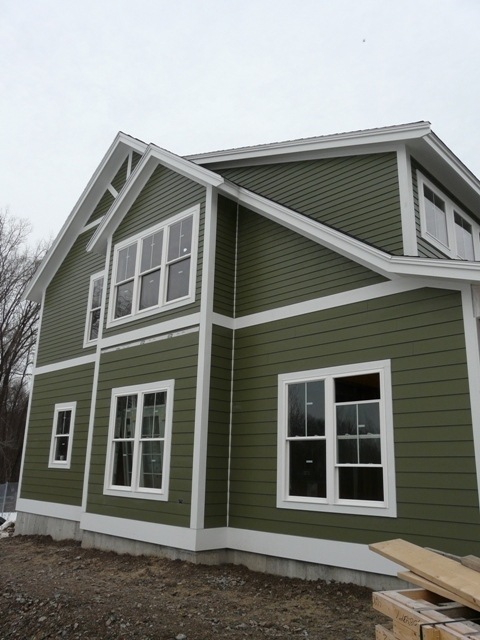
The developer has 6 homes listed in the Boston MLS, and 6 units in later phases already Under Agreement. Some recent exclusive development photos are at the bottom of this blog post, demonstrating the progress made over the last 3 months.

The developer touts that the amazing feature of the development is the location, being surrounded by the 65 acre Mass Audubon’s nature center, giving the Olmsted Green development a feeling of being in the country. The developer commented that they have seen giant owls, wild turkeys, and a fox on the construction site.

Sample listing information for a single family townhome, and condominium are below. For more information on the development at Olmsted Green, please contact us.

Olmsted Green Single Family Listing

207 West Main Street Boston, MA – $481,965

This brand new 1,552 square foot 3-bedroom, 2.5 bathroom town home on 3 levels with private master suite and french doors that open to a patio has parking and abuts Audubon sanctuary. Hardwood floors in separate living and dining areas, wall to wall carpet in the bedrooms and many energy saving features. Be part of an environmentally conscious community that will include walking trails and an urban organic farm. Includes parking.

Olmsted Green Condominium Listing

203 Lark Drive Boston, MA – $347,988 (HOA fee of $222)

This brand new 1,154 square foot 2-bedroom, 1.5-bathroom bi-level town home has an extra large master bedroom, parking and abuts an Audubon sanctuary. Gleaming hardwood floors in living and dining room, wall to wall carpet in the bedrooms, private patio, and green elements that promote a healthy lifestyle and significant energy savings. Green upgrades offered include bamboo flooring and recycled glass tile. Part of a new community that will feature walking trails and an organic farm. Includes parking.

Olmsted Green Olmsted Green

Olmsted Green

Commercial Property Impacts Boston Residential Development

The commercial market (be it office, retail, etc.) in Boston has been performing quite well lately, vacancy rates are low, and this is pushing rents up across the various classes of commercial buildings (office space for instance is broken down into classes, Class A buildings (the best of the best) command the highest rents, this for example, would be the Hancock Tower).

From an economic standpoint, the strong commercial market is a precursor to several trends that will slowly develop. First, as rents continue to rise across the various classes of commercial property, businesses will look to more less-traditional areas of the city to setup shop – the Seaport District, northern South Boston, and the Fenway are all obvious choices. Secondly, a natural by product of the build up of commercial space in other areas of the city is a bolstered residential condo market to serve that area.

That said, you will continue to see further buildout and prominence of the Seaport District (with FP3, Fan Pier (both commercial and residential)) and northern South Boston (Allele, Eleven West Broadway, 125 B Street), areas that we have been bullish on for some time now. Why are we excited about these areas? Well, you have multiple economic factors moving in favor of healthy and appreciating condo prices in the area – the commercial / residential thread just discussed, as well as a similar trend in the residential housing market in the core downtown area.

The latter trend of residential housing being similar to that of commercial property, in that Boston condo prices continue to appreciate in the core of downtown (approximately 6% in 2007), thus naturally moving Buyers into other areas (Seaport District, northern South Boston) where you can get more square footage for your money.

Add all of these things up, and you have good investment potential in Boston’s Seaport District and northern South Boston.

Featured Open House at 20 Beacon (Claflin)

It’s been a roller coaster ride for the Claflin Building lately (see Beacon Hill Claflin Building Gets New Prices), and the residences at 20 Beacon Street are this week’s Featured Open House.

After significant change in marketing representation and pricing, the ultra-luxury 20 Beacon Street address will hold its first open house in some time, giving the public access to the four remaining units, all three-bedroom three-bathroom, priced from $2,050,000 to $4,600,000. HOA fees for all units but the penthouse are around $900 per month, while the penthouse HOA fee is listed at $1,525. There is currently an optional fee for valet parking that is not yet determined.

The open house will take place on Sunday, January 20, 2008 from 1:30 PM to 3:00 PM. For more information on Beacon Hill luxury condos, feel free to contact us.

Boston Mandarin Oriental Positive Addition to City

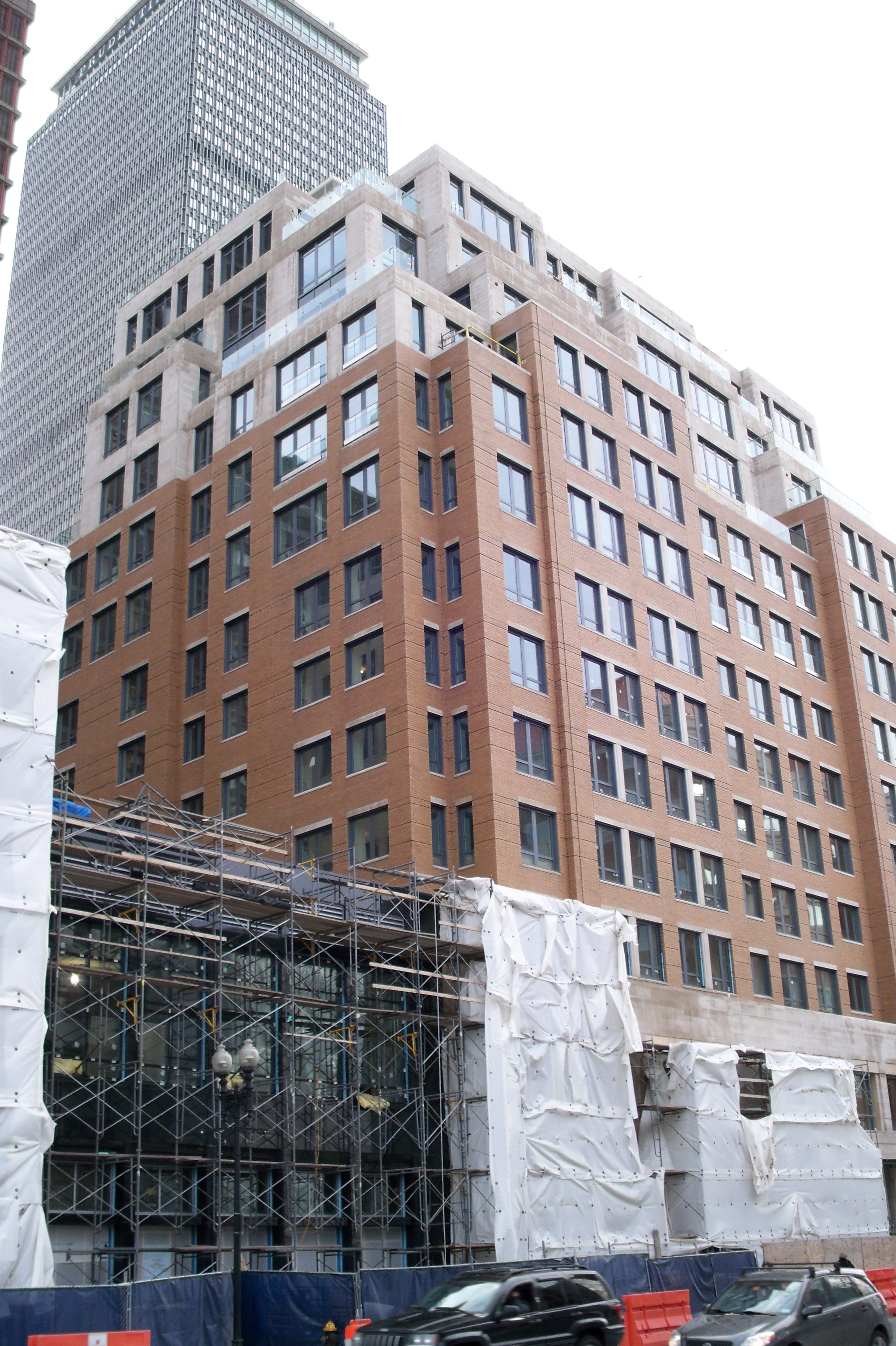
What does the development of the Boston Mandarin Oriental mean for the local community? Well, aside from casting a shadow on coffee drinkers at the Starbucks outside terrace across the street, it has the potential of continuing to fuel an advancing Back Bay.

All joking aside, the Mandarin residences are a spectacle, and truly a “to be seen at” high profile development, with the minimum condo price coming in near $3 million. It was an invite only affair, and the local condo experts have had relatively little access to knowledge on the building given its hush-hush nature. The core downtown market continues to see multi-million dollar condo developments, with corresponding $1,000+ square foot prices, and it’s amazing that the trend is not stopping – that said, kudos go to Robin Brown, the brainchild behind the Boston Mandarin project, as he has essentially sold out the building well before construction is complete. Arguably, the race is on to finish on time, not upsetting 50 Buyers who plan to plunk down $200+ million for a piece of the new hotspot in Boston real estate.

Boston Mandarin Oriental

We ran a reader poll in 2007 asking readers if Boston needed another ultra-luxury development like the Mandarin Oriental. It’s a fair question, as we receive mail and comments from readers all the time asking us to cover more of the under $500K market. The average condo price in the core of downtown Boston for 2007 was over $600,000. Overall, pollsters said that Boston didn’t need more luxury developments. Given that the Mandarin will indeed be built, what’s it mean for the surrounding neighborhood?

Some could argue that the Mandarin will simply continue to feed the high-brow flame that the Back Bay has commonly become known for, but let’s take a positive approach and look at what it’s going to add to the area. Bear in mind that the Mandarin development will encompass 50 condo units, as well as a 148-room hotel. If you have seen recent tourism figures, you’ll know that Boston is one of several cities in the US that can absorb hotel room capacity (i.e. more tourists are flocking to the city, and hotel rooms are needed, and the Mandarin, much like the upcoming Boston W Hotel & Condos, will take advantage of this). Essentially, with the influx of both upper class condo buyers, and and a consistent supply of affluent tourists, the Mandarin makes the following a reality:

  • High-end restaurants directly across the street, including Atlantic Fish Co., Vox, and others, will be even more busy than they are now. Owners will accept the shadows the Mandarin casts on their terraces for the steady stream of customers looking for a “good meal” in a “foreign town”.
  • The entire Newbury Street corridor will be bolstered with discerning buyers, looking to pick up a pair of boots, or enjoy a scoop of ice cream at JP Licks.
  • Lord & Taylor will finally be connected to the core of Copley Mall via an enclosed pedestrian bridge over Ring Road, thus driving further traffic and sales into the more easily reached store – thanks go to Lord & Taylor for recently beautifying the southeast corner of Ring Road and Boylston Street.
  • The Back Bay will receive an injection of condo related attention, furthering stabilization, and even appreciation, of condo pricing in the area.
  • Residents and tourists will be well-positioned to take advantage of close by shopping and eateries – you remember the difficulty in finding “the” place to eat, or that eclectic shop the last time you were visiting a city you weren’t familiar with. The Mandarin puts you in the center of the Back Bay’s action, and makes selecting a place to eat, oftentimes one of the hardest things to do in a foreign city, easy.
  • And finally, on a lighter note, our understanding is that very high-end Commonwealth Avenue condos and townhouses will become vacant and ready for sale as some area residents make the move to the Mandarin.

Will there be negatives related to the opening of the Boston Mandarin Oriental currently scheduled for a July 2008 completion? Sure, some folks are not impressed with the exterior design of the building, and some might say that the focus in the city should be on trying to build out other neighborhoods with high quality, but more affordably-priced housing, such as deep in the South End. Nonetheless, the Mandarin has a suite of positives associated with it, and we’ll be happy to welcome it into the fold later this year.

Boston Mandarin Oriental

Nothing Standard About Standard Purchase and Sale Agreement

Although a home buyer signs and initials many documents en route to buying a home, the purchase and sale agreement, also known as the “P&S”, is the primary document that sets out the terms and conditions of the agreement between a buyer and seller.

The pre-printed document is titled “Standard Form Purchase and Sale Agreement,” but there isn’t anything “standard” about this document that a buyer most commonly signs first, followed by the seller.

Frankly, the standard P&S is written primarily to benefit the seller, and home buyers are wise to retain an attorney to make modifications to the P&S that will protect their interests. The following are just four things home buyers should be aware of concerning a P&S.

  1. Under common law, the buyer bears the risk of loss, if the property is destroyed/damaged by natural disaster or fire between the signing of the P&S and closing. An attorney can add language that transfers the risk of loss back to the seller, who should have a home owner’s insurance policy that covers the property.
  2. The standard P&S has a provision that gives the seller 30 days beyond the scheduled closing date to correct a title issue that may arise before closing. Without additional language added to the P&S agreement limiting the seller’s ability to extend the closing date, the seller could extend the closing date past the buyer’s interest rate lock date, which could result in the buyer paying a higher interest rate or no longer qualifying for the loan and risking the loss of his or her deposit.
  3. Many times, through no fault of the buyer, lenders fail to provide the necessary financing in time for the scheduled closing date. Although the closing may happen only a day or two later, technically the buyer is in default and the buyer’s earnest money deposit is in jeopardy. A seller could decide to take the buyer’s deposit and put the home back on the market or decide not to sell. A simple provision providing the buyer with an additional two or three business days to close, if the buyer’s lender is not able to close by the closing deadline, could protect the buyer’s deposit.
  4. The buyer should include a provision that the seller is representing that there is no unresolved litigation or regulatory hearings involving the property or any knowledge of complaints or notices of violations of local, state or federal by-laws, ordinances or laws concerning the property. Such a provision is important because a seller could fail to disclose such an issue, which could cloud the title, and then, if the seller could not resolve the issue, he or she could use their right to extend the date of delivery of the deed (closing date).

This guest blog post is courtesy of Rich Rosa, a Massachusetts lawyer and real estate broker, and Partner in the law firm, Rosa & Kres, LLP. For more information about Rich Rosa, read his About page on the real estate law and brokerage blog that he maintains.

Boston Intercontinental Condos Featured Open House

For an up to date look at condos for sale at the Intercontinental Boston, contact us using the link at the top of this page.

If you have picked up a Boston Homes newspaper anytime in the past year, you have more than likely seen the ad the Intercontinental runs on the inside cover page (not a cheap undertaking) every single week. We’ve been writing about the hotel-condo luxury residences at the Intercontinental (see Boston Condo Blog Intercontinental posts), but it’s about time we included them in the mix on our weekly Featured Open House.

This week, Unit 16, at the Boston Intercontinental will be held open at 500 Atlantic Avenue. The unit features 1,132 square feet, one bedroom, and two bathrooms, and includes one deeded garage parking space (parking is a luxury along the Waterfront). The unit is priced at $965,000 ($852 per square foot), and carries a $913 HOA fee – you get a fair amount in that fee, from storage to hotel services. Unit 16 has been on the market for only 11 days.

There are a total of 14 units available at the Intercontinental, a mixture of developer units, and resale. The open house at Unit 16 will take place on Sunday, January 13, 2008 from 12:00 PM to 1:00 PM (it’s a tight time slot, so plan accordingly). For more information about Boston condos at the Intercontinental, please contact us.

Boston Intercontinental Condos

Boston Intercontinental Condos

Boston Intercontinental Condos

Boston Intercontinental Condos

Mandarin Oriental Resale Listing $7 Million

Unit W-10B at the ultra exclusive Boston Mandarin Oriental recently hit the MLS for $7,000,000. You have more than likely seen the building nearing shell completion along Boylston Street, and you probably are aware that the development is essentially sold out. Two things are interesting about the listing of unit W-10B:

  1. The entire lot of condos at the 50-unit Mandarin Oriental were marketed and sold privately, essentially, an invitation only sellout. Striking about this listing is that a traditional sale process is being used, entirely different from the process that was used for all other sales.
  2. The Mandarin is still months away from its grand opening, so in effect, we have a resale before a sale (or more precisely, a resale before the development has even received its certificate of occupancy).

More to come on what the Mandarin Oriental means for surrounding Boston businesses.

Huge Leather District Loft Hits Market

With over 4,000 square feet and walls of windows, unit 21 at 111 Beach Street in the heart of Boston’s Leather District is quite impressive. When the words “Boston downtown loft” are mentioned, oftentimes, the Leather District comes to mind. The small area between the Financial District and Chinatown is synonymous with lofts, and unit 21 at the Beach Street lofts delivers. The duplex unit boasts 4.125 square feet, gleaming hardwoods, and great light.

Unit 21 is priced at $1,799,000 ($436 per square foot), and comes with a $967 condo fee. Perhaps the one negative to this unit is the parking, which is rental (quite common with the renovated warehouses in the Leather District).

Will Columbus Center Ever Be Built

Much noise had been made back in Q4 of 2007 about the beginning of “construction” at Columbus Center. We’re now told that the job site activity was preconstruction (namely site preparation such as painting stripes on pavement, testing dirt, pulling old shrubs, adding fences, etc.), and actual construction has not yet begun.

It appears that Columbus Center is a project more than 13 years in the making, and with costs continuing to rise, the original $300 million price tag for the mixed-use condo, hotel, public park, and parking garage project has nearly tripled.

The fate of Columbus Center has not deterred other developments in the immediate vicinity from pushing ahead – 285 Columbus Lofts, the Bryant on Columbus, the Clarendon Back Bay, and the Brooke House Residences, all of which are in various phases of actual buildout, have significant inventory already sold and/or under agreement.

The property owner of the Columbus Center parcels is the Massachusetts Turnpike Authority (MTA), and as landlord, MTA recently gave the project owners until January 15, 2008 to borrow $500 million or else risk eviction. Of significant note for condo buyers at Columbus Center is the potential that residents themselves will be responsible for the infrastructure below them.

Potential condo and parking buyers at Columbus Center could be financially and legally responsible for the subterranean tunnels that enclose the 7 rail lanes (CSX freight, Amtrak, MBTA commuter rail, subway) and the 7 turnpike road lanes along the interstate transportation corridor. Neither the developer nor the government has records showing the 99-year cost of these responsibilities, but they potentially include periodic inspection by tunnel-bridge structural engineers for at least 99 years, tunnel maintenance for at least 99 years, tunnel upgrades dictated by Massachusetts Turnpike Authority for at least 99 years, and premiums for 99 years of developers error/omission insurance and owners liability insurance.

So will it ever be built? It’s hard to say if Columbus Center will be constructed as we currently know it today. It’s evident that something will be built over the turnpike eventually, as there’s nowhere else to go in Boston. The potential development of Columbus Center is exciting, as it would offer residents a final product that would significantly beautify the area, however, a lengthy construction process, and the negatives associated with a project of such scale would be felt (see Temporary Downgrade of Boston Condos).

For further information on the layout of the Columbus Center development, see the Columbus Center address information file (PDF).